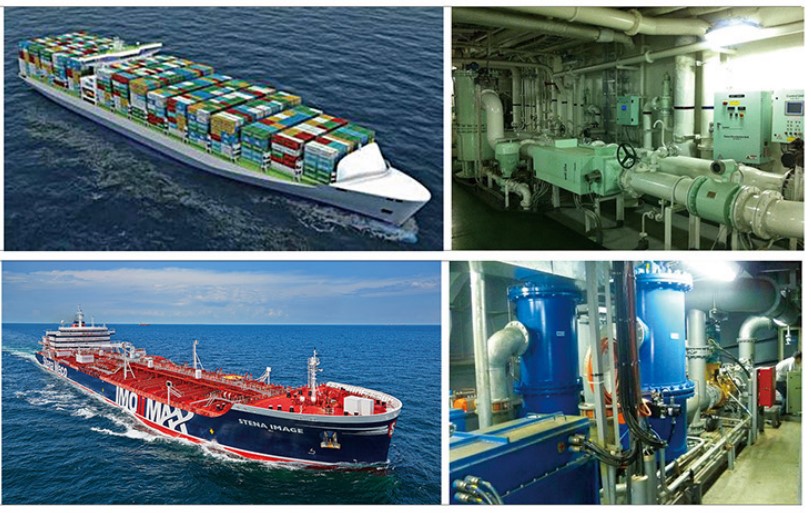
Today, international regulations are very strict regarding the treatment of marine ballast water. It is estimated that every year, 7 billion tons of ballast water circulate on ships worldwide. Ballast Water Treatment Systems, or BWTS, are designed to remove and destroy biological microorganisms such as bacteria, plankton and algae, sometimes involving up to 7,000 different species. These are foreign elements to the environments of destination ports and, once discharged, they can alter the balance of the local ecosystem, pose an environmental threat by endangering native species, or create a health risk due to the presence of bacteria.
Therefore, almost all types of ships must implement ballast water filtration systems down to 50 microns as the first stage of treatment before water discharge, followed by a UV radiation system or, alternatively, electrochlorination using an active chemical substance to neutralize biological organisms. In both cases, however, the first stage of treatment consists of mechanical filtration.
There are filters on the market specifically designed for ballast water treatment, commonly known as ballast filters. Since high flow rates are required, it is logical to use large filtration surfaces in order to comply with the 50-micron limit. However, as this technology is still evolving, there is no single standard for Ballast Water Treatment Systems, and each ship inevitably adopts a customized system. Likewise, no single system is suitable for all types of vessels.
NBC Filters has always paid close attention to the evolution of industrial and marine filtration technologies and offers high-efficiency models suitable for all types of shipboard and ballast water treatment systems. The company also provides consultancy in collaboration with your technicians to ensure optimal, long-lasting and cost-effective use, helping you maximize your investment.
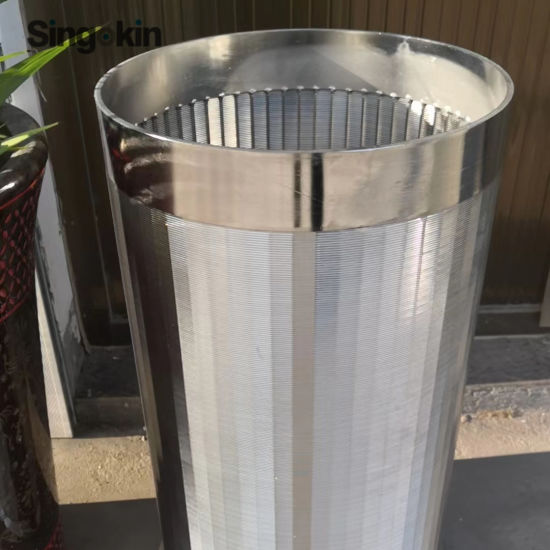
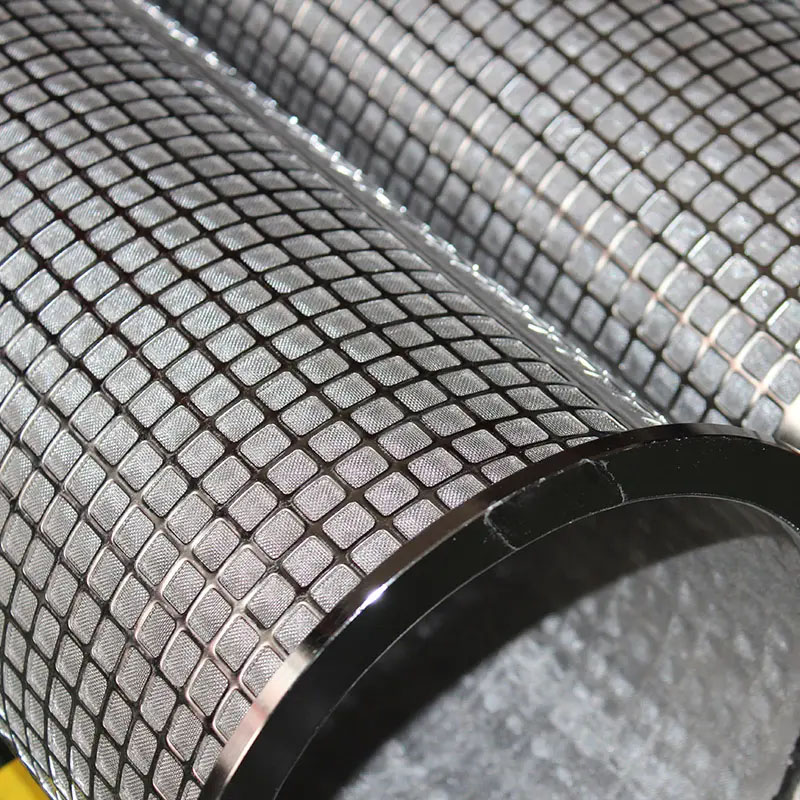
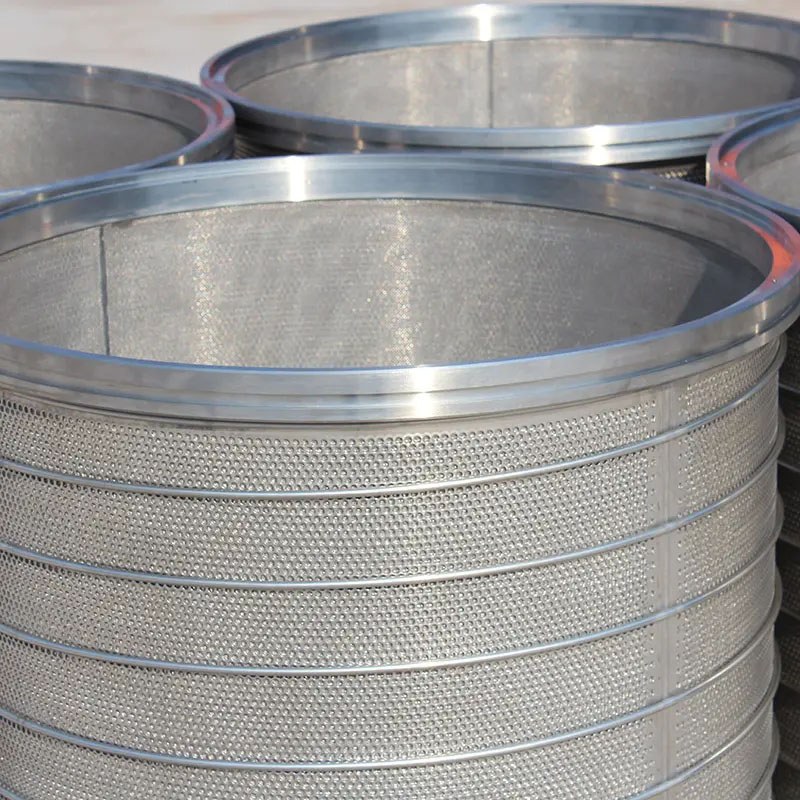
The filter elements offered by NBC, entirely manufactured in AISI 316/L stainless steel, comply with the requirements of current regulations. Their main features include:
High structural rigidity
High-flow filter meshes
High flow rates, from 32 to 300 m³/h
Filtration efficiency < 40 µm
Low pressure drops